
The Heron and the Snake Symbolism
Of Mice and MenTraces the symbolic use of nature, particularly the heron and the water snake, to foreshadow the violence and the cycle of life and death in the novel.
increasing Bearing strength in each event
 decreasing
Bearing strength in each eventdecreasingThe Opening Scene
The Natural Cycle
The Heron and the Snake
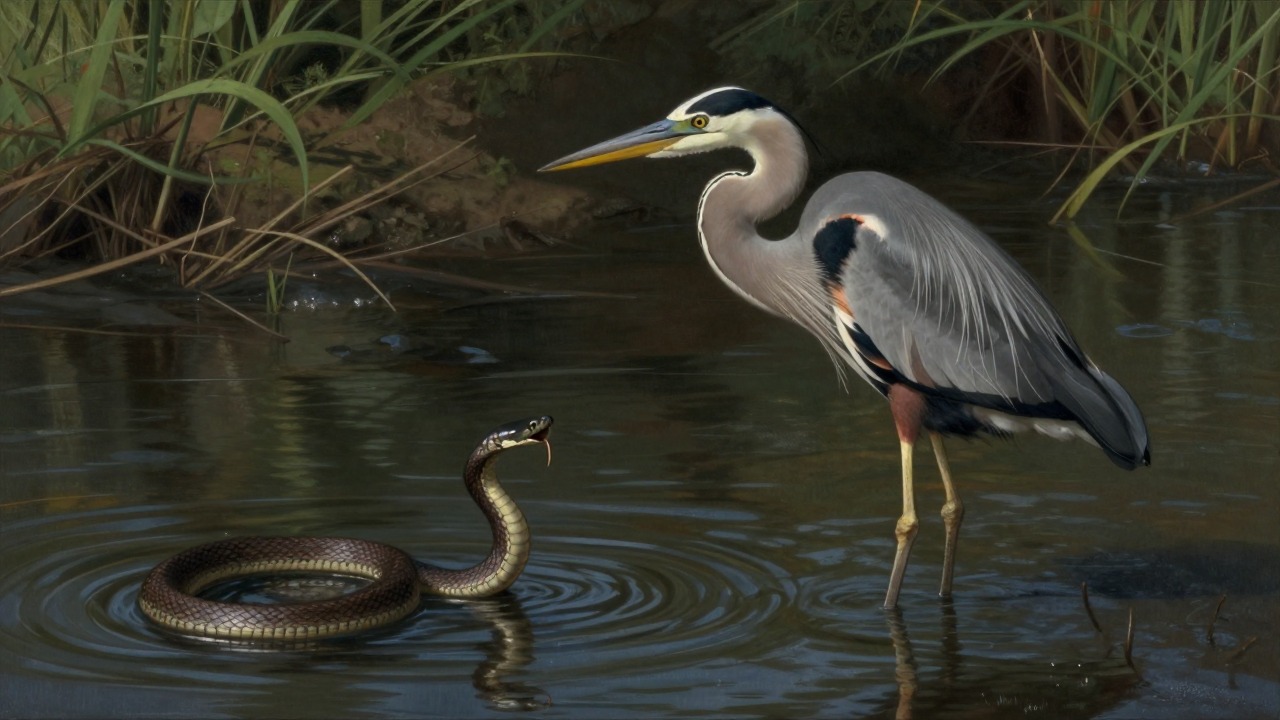
The novel opens with a heron standing motionless in the shallows of the Salinas River. A water snake swims by, and the heron strikes, swallowing the snake. This is a moment of casual violence in nature, a predator-prey interaction that sets the tone for the novel.
The Symbolism of the Cycle
The heron and the snake represent the cycle of life and death. The snake is killed without warning, just as Lennie will be killed. The scene is peaceful, but it contains the seeds of violence. The natural world is indifferent to the suffering of the prey.
The Foreshadowing
The heron's strike is a foreshadowing of the violence to come. The pool is a place of false peace. The snake's death is a miniature of Lennie's death: both are innocent, both are killed by a force that is simply doing what it must. The nature imagery is a constant reminder of the harshness of the world.
The Closing Scene
The Return to Nature
The Same Setting
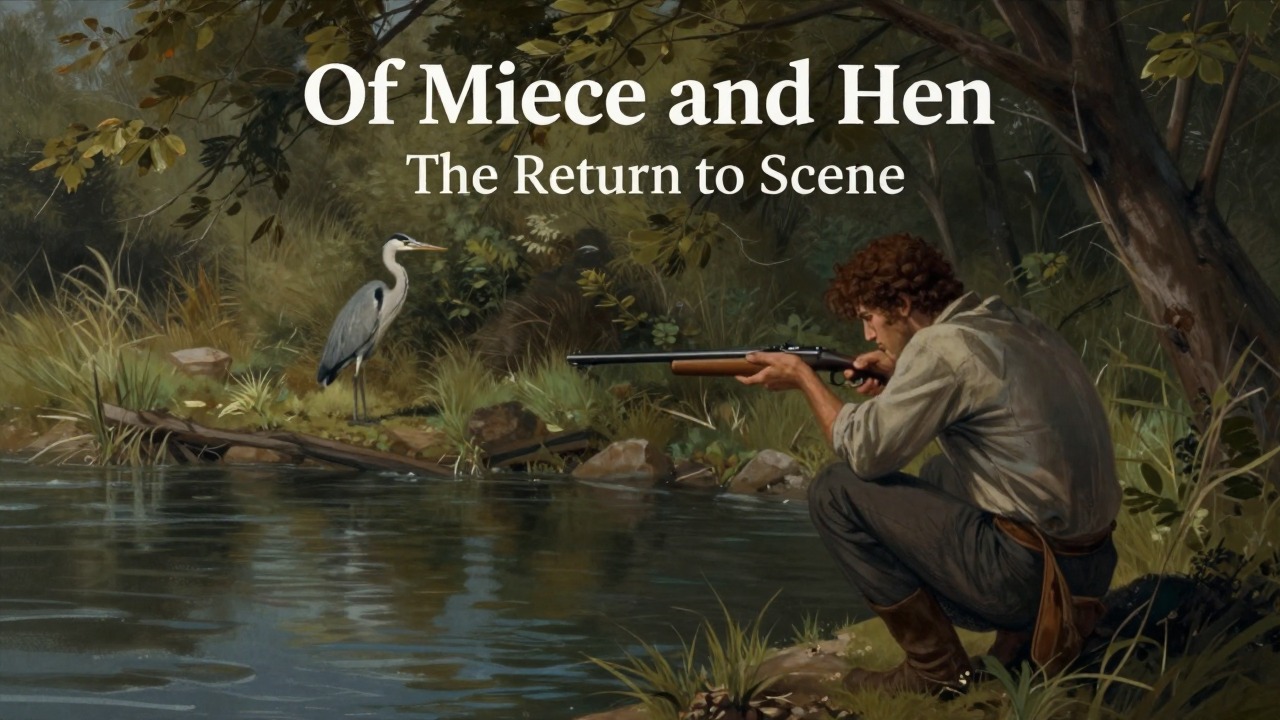
The novel ends at the same pool where it began. The heron is gone, but the natural scene is the same. The wind blows, the leaves rustle, and the water is still. The violence of the shooting interrupts the peace, but nature continues unchanged.
The Absence of the Heron
When the men arrive, the heron has flown away. The natural world retreats from the human violence. The pool is a silent witness to the tragedy. The cycle of life and death is still present, but the human violence is more brutal and less natural.
The Symbolic Closure
The heron and the snake symbolize the inevitability of death. The novel's structure mirrors the natural cycle: a beginning and an end in the same place. The violence is a part of nature, but it is also a human tragedy. The heron's absence suggests that the natural world does not judge; it simply is.
The beginning of the novel
The end of the novel
